Categories
Definition/Abbreviation

Solution Stability vs Force Degradation

Solution Stability vs Force Degradation

Analytical Method Validation

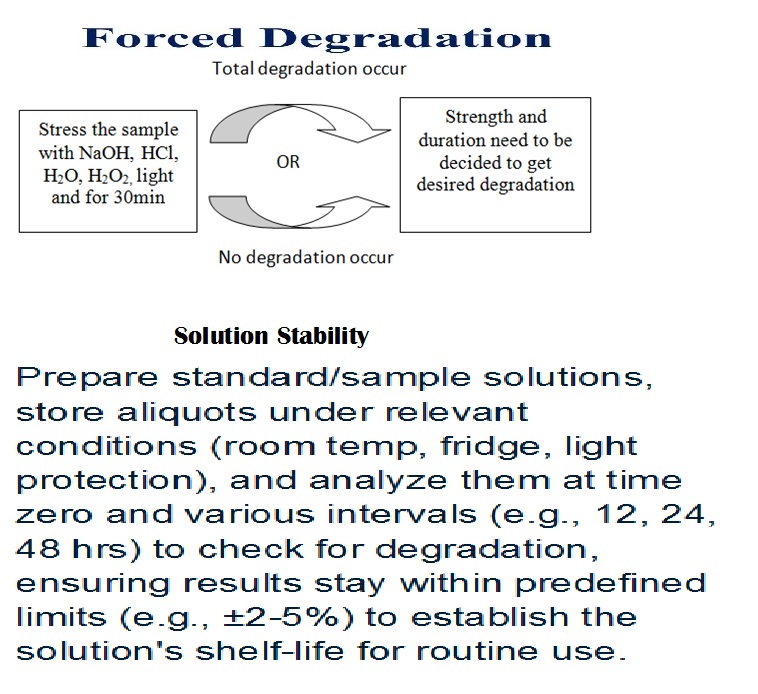
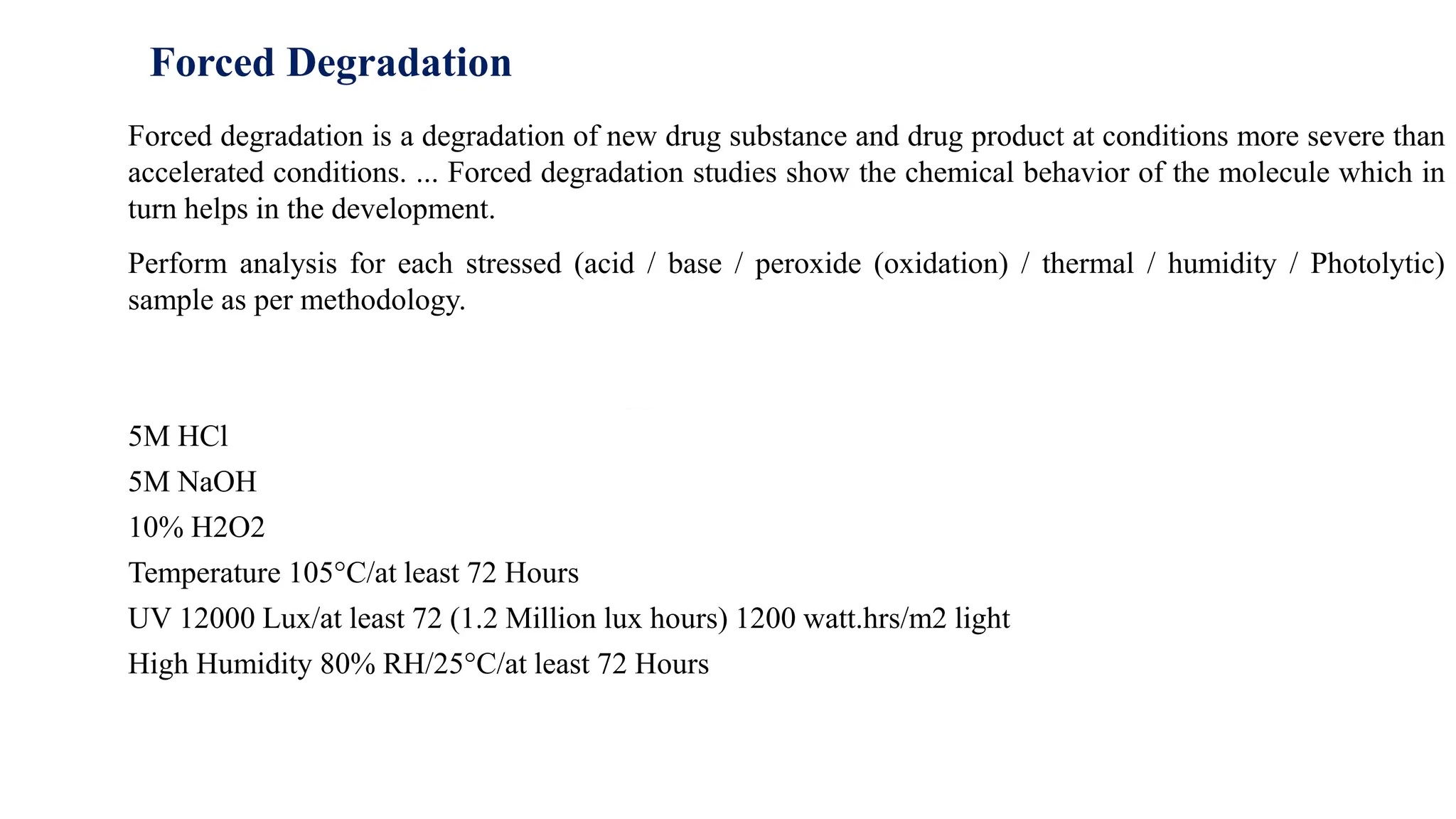
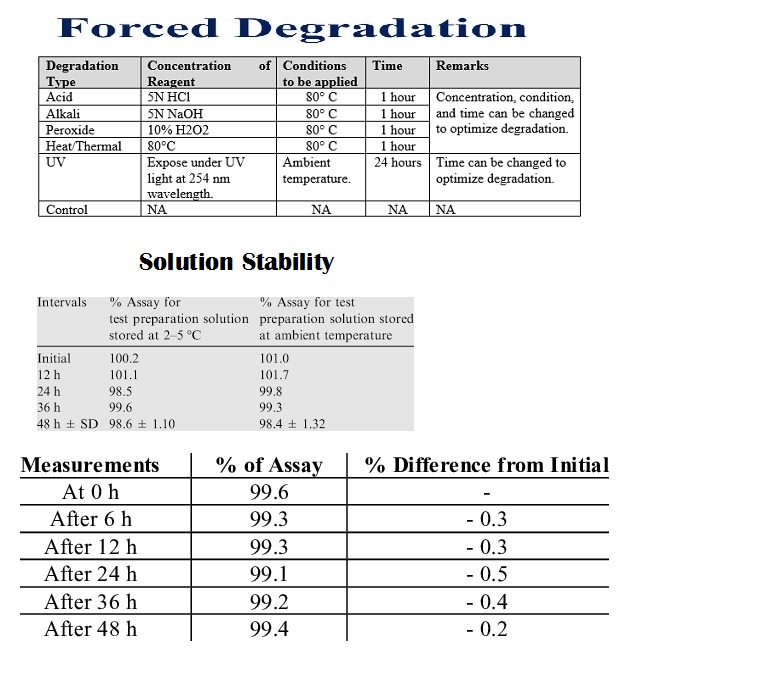
Solution stability tests how a drug behaves under normal storage (room temp, fridge, light protection) over time, while

Forced degradation (stress testing) uses extreme conditions (acid/base, heat, oxidation, light) to rapidly identify potential breakdown products, establish degradation pathways, and ensure the analytical method can separate the main drug from these impurities, proving it’s “stability-indicating”

Solution stability acceptance criteria in analytical validation ensure prepared standards and samples remain consistent over time, typically requiring the assay result (e.g., % purity) to stay within ±2% of the initial value, with impurity levels controlled within tighter ranges (e.g., ±0.04% total) for a defined period (e.g., hours to days at room or refrigerated temp).

prepare standard/sample solutions, store aliquots under relevant conditions (room temp, fridge, light protection), and analyze them at time zero and various intervals (e.g., 2,4,6,12, 24, 48 hrs) to check for degradation, ensuring results stay within predefined limits (e.g., ±2-5%) to establish the solution’s shelf-life for routine use.
Categories
Definition/Abbreviation

Linearity vs Range

Linearity vs Range

Analytical Method Validation

Linearity proves results are directly proportional to analyte concentration (a straight line on a graph),while

Range defines the concentration interval where the method reliably shows good precision, accuracy, and linearity, typically from low to high levels, ensuring fitness for purpose. Linearity is checked with calibration curves (𝑟2>0.995) and visual inspection, while the range confirms the method’s ability to measure accurately across expected sample variations.
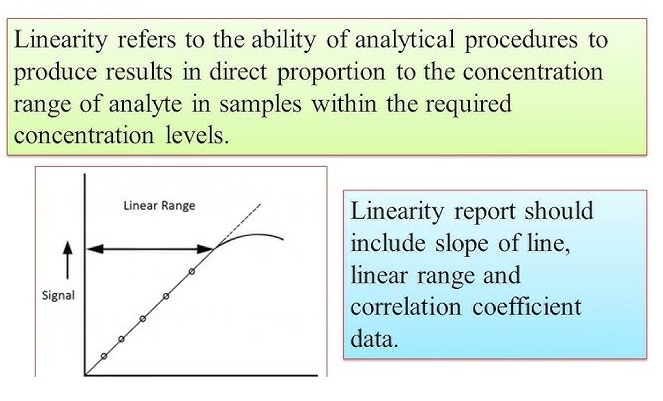
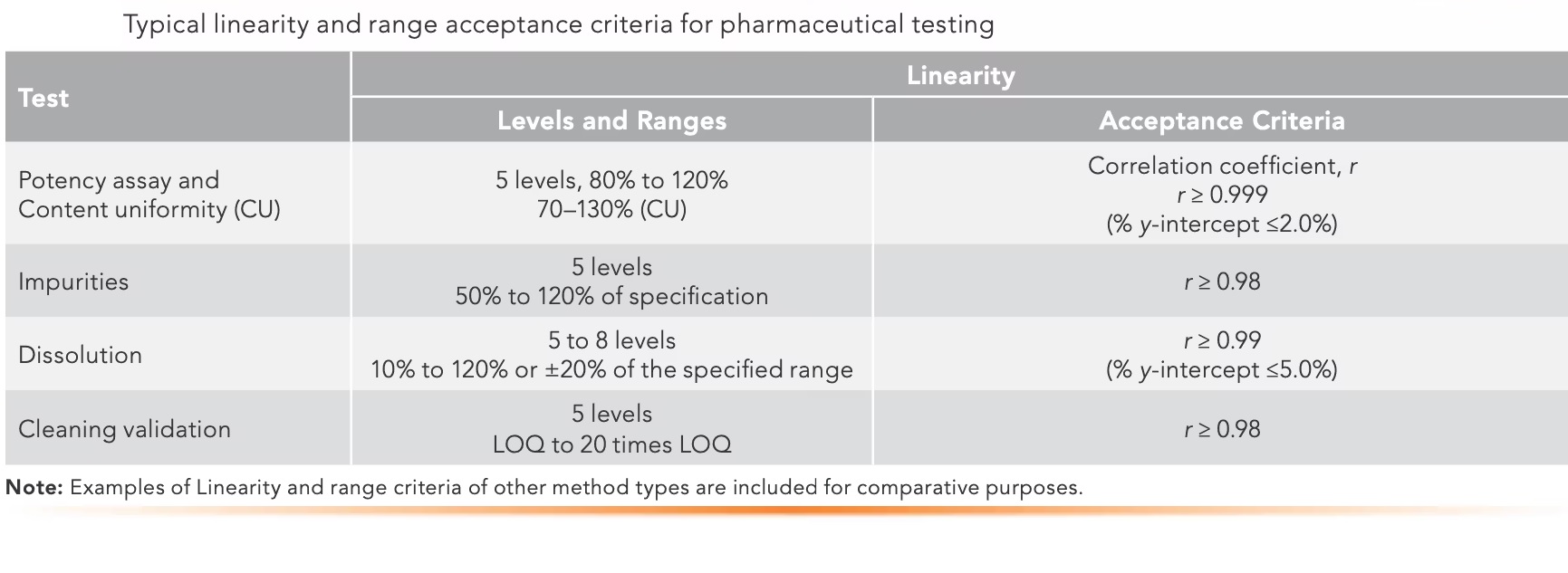
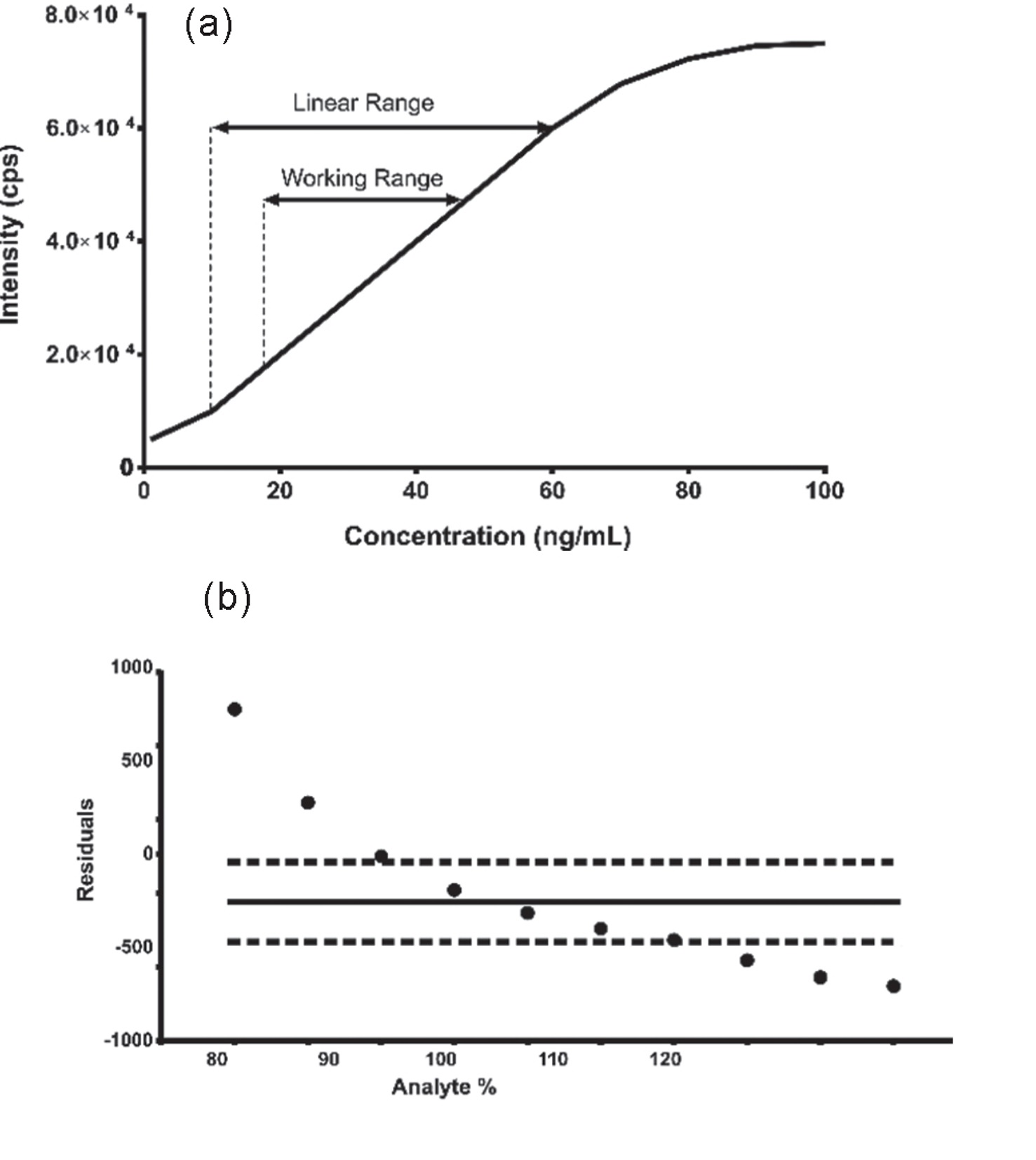
In Linearity test a set of standard solutions containing the API at various concentrations e.g., 10%, 25%, 50%, 75%, 100%, 120% and 150 % of the target concentration is prepared.

The range of an analytical method typically includes the lowest and highest levels of the target analyte that the method is expected to measure accurately.


Categories
Definition/Abbreviation

Specificity vs Sensitivity

Specificity vs  Sensitivity vs  Selectivity

Analytical Method Validation

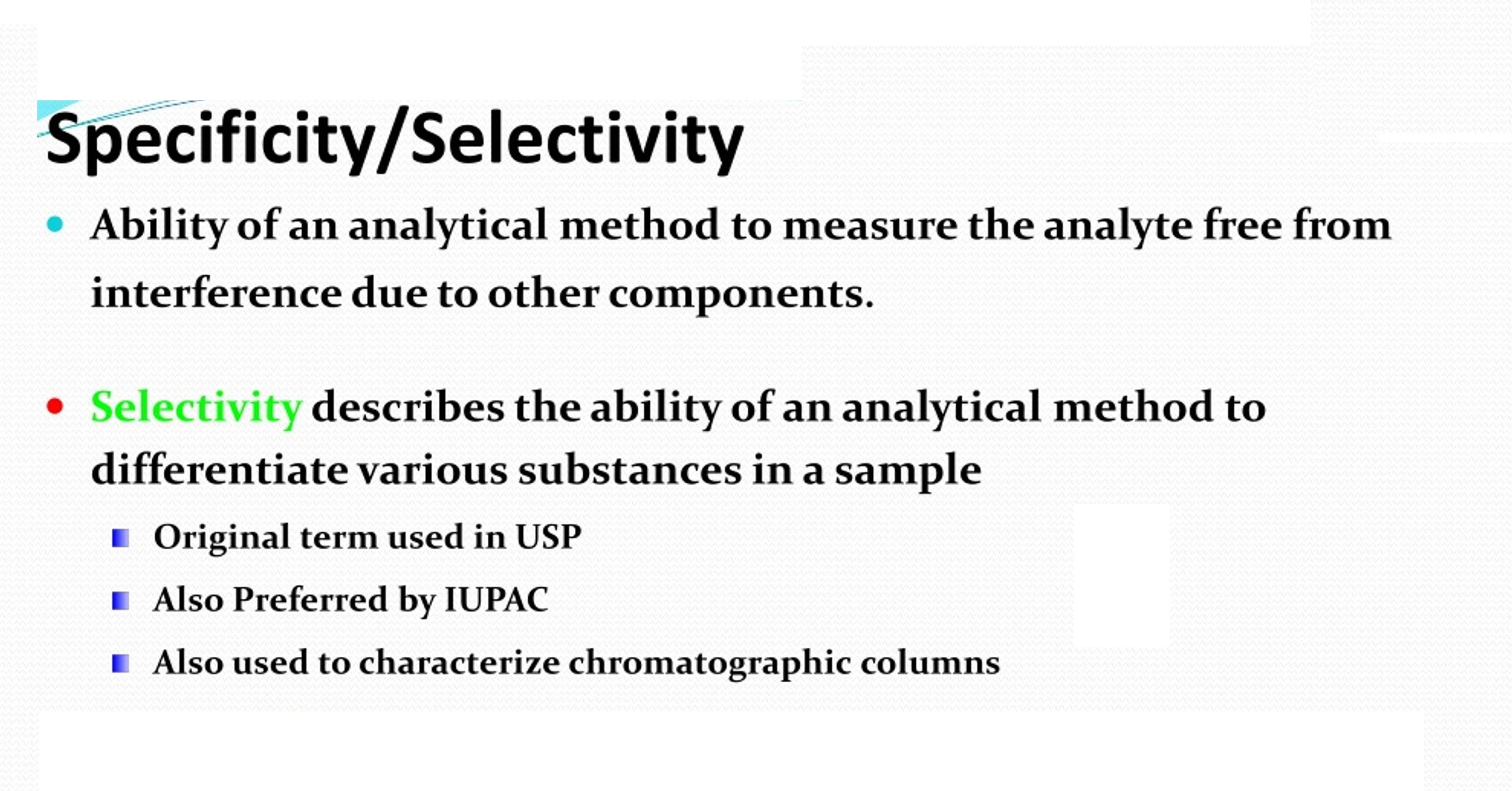
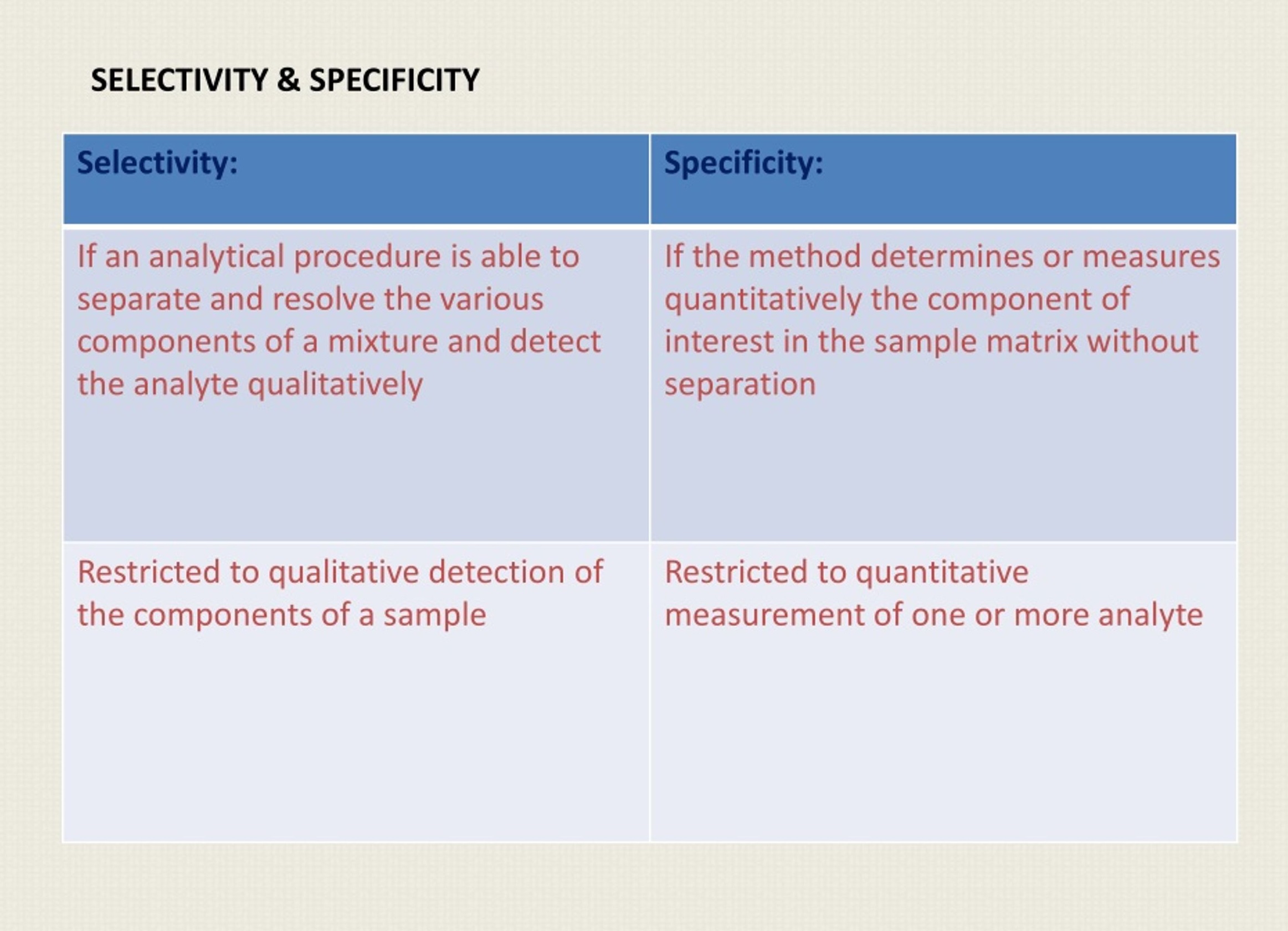
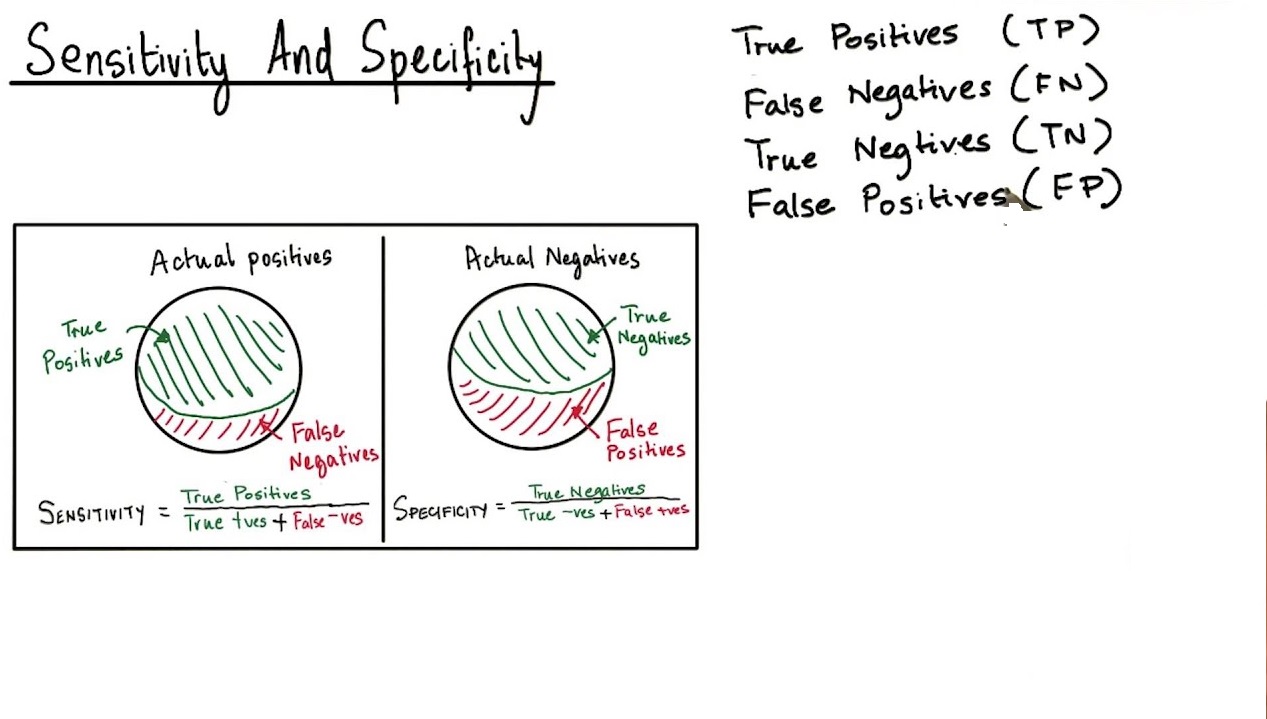
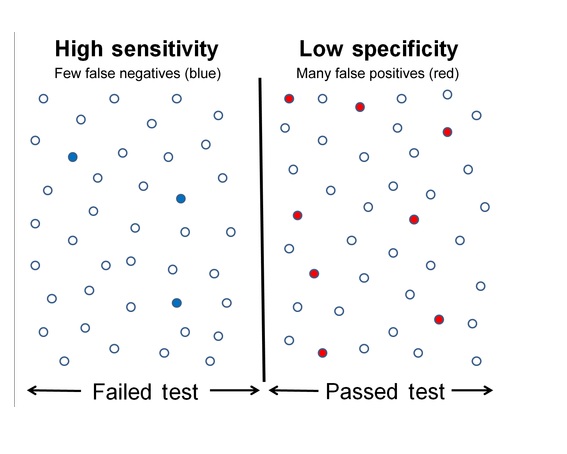
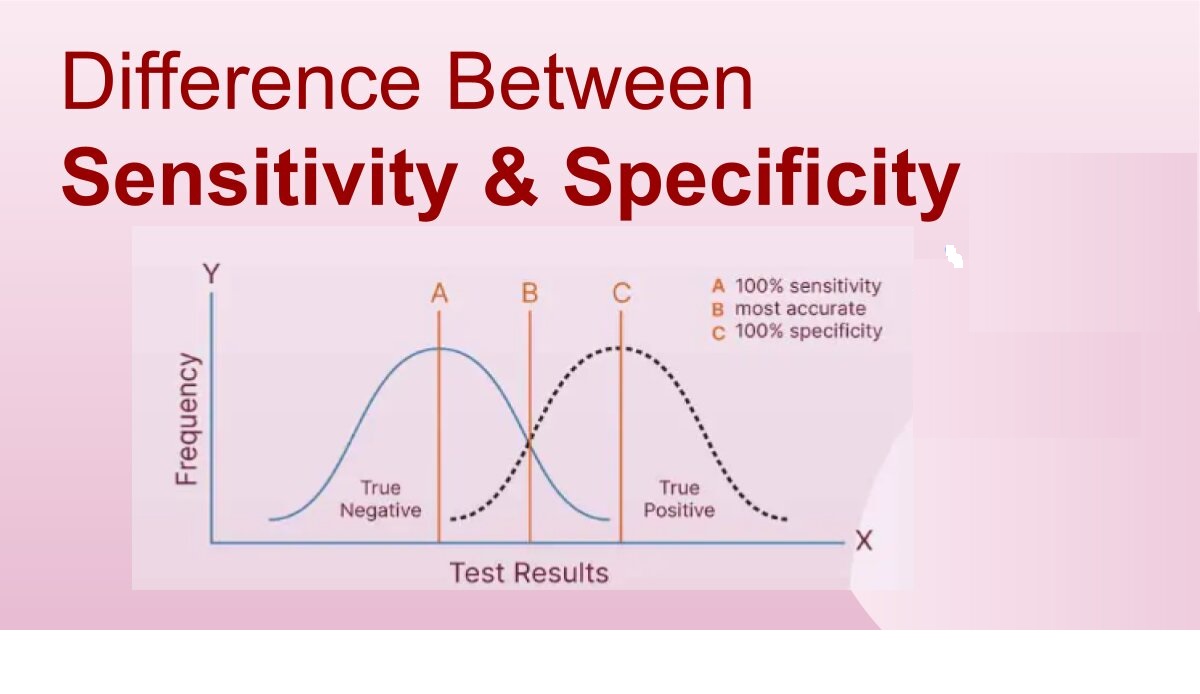
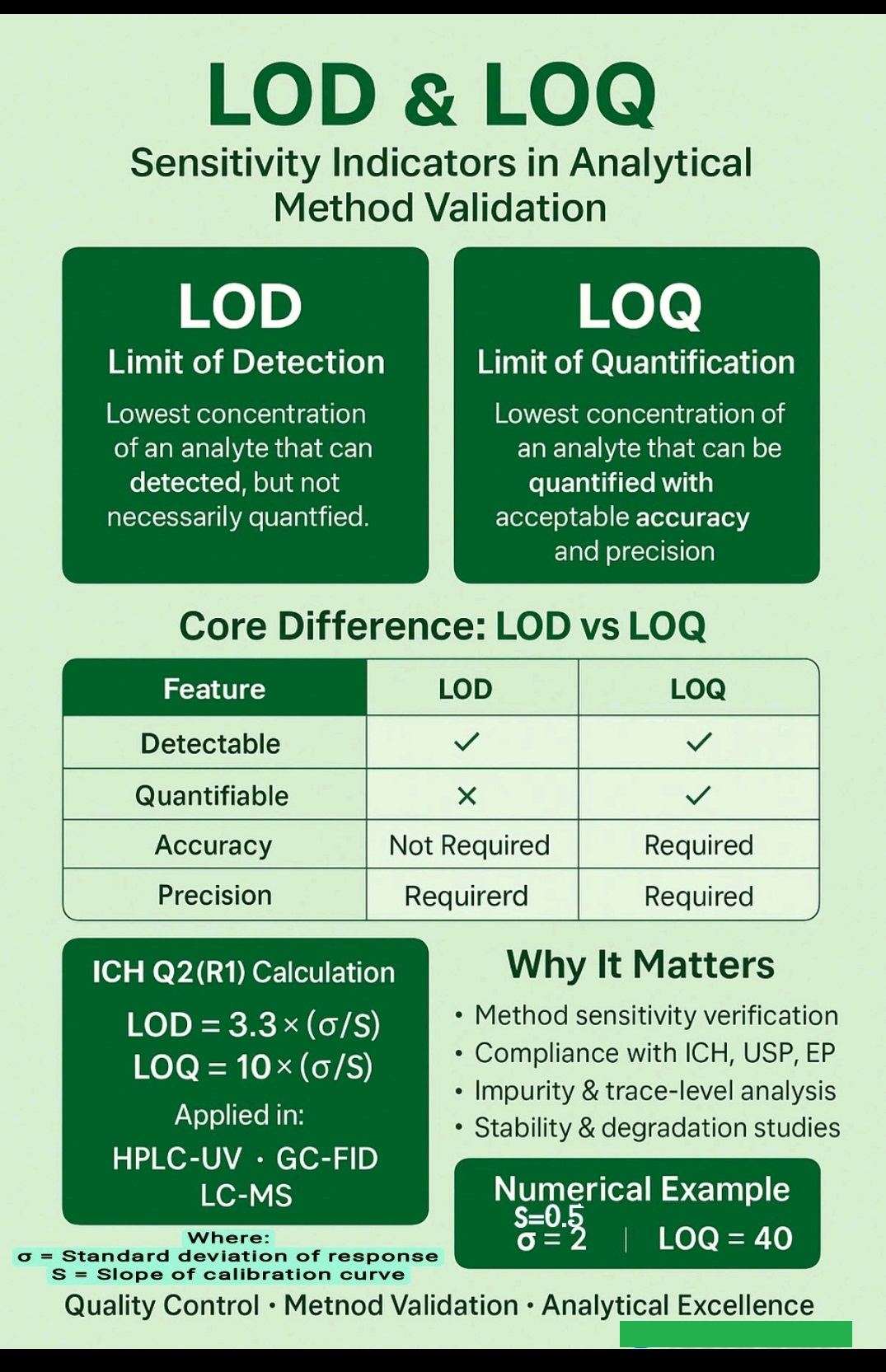
Specificity is the ability to measure the target analyte without interference from other components (impurities, degradants, matrix), while sensitivity refers to the method’s ability to detect and accurately quantify small amounts of the analyte, often defined by the Limit of Detection (LOD) and Limit of Quantitation (LOQ); and Selectivity (often related to Specificity but broader in analytical chemistry) is a method’s ability to measure one target analyte without interference from others.

Categories
Definition/Abbreviation

Accuracy vs Precision

Accuracy vs Precision

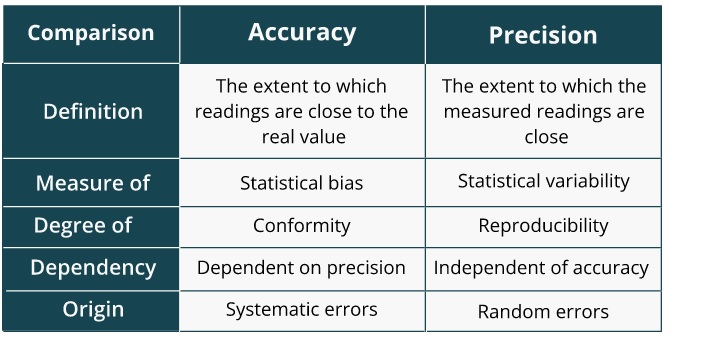
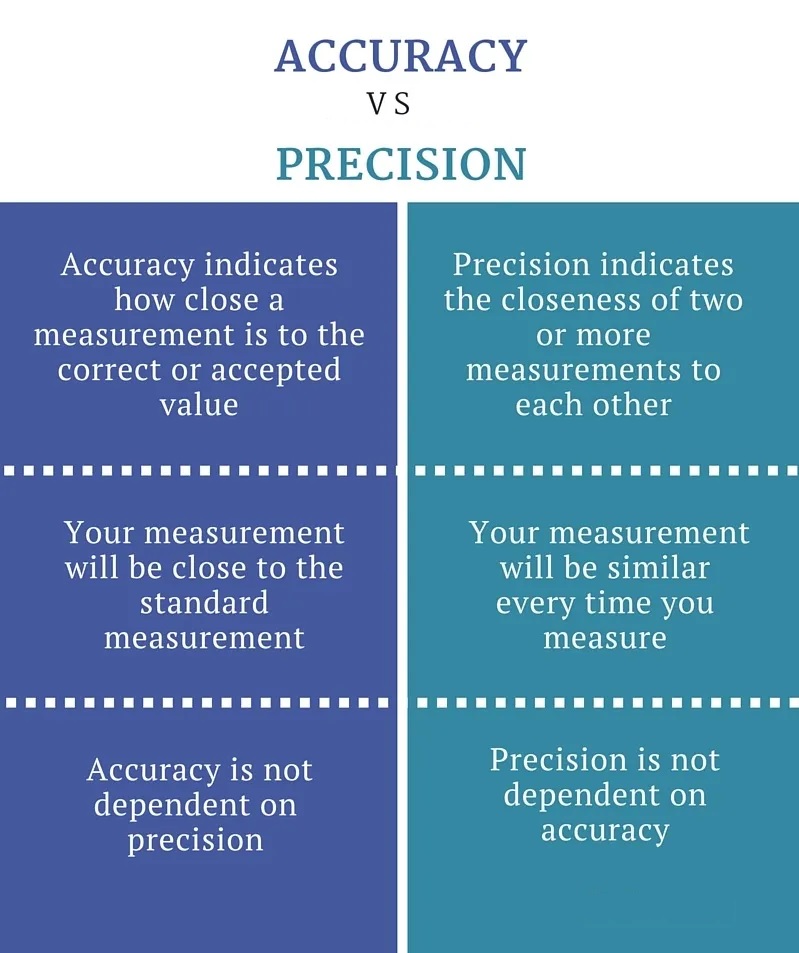
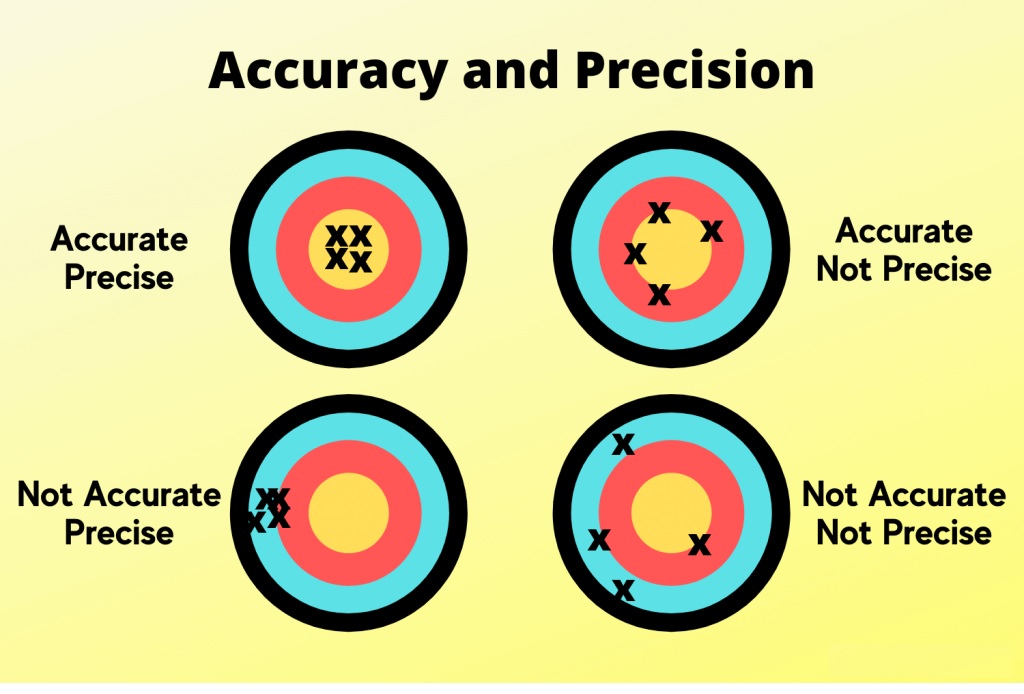
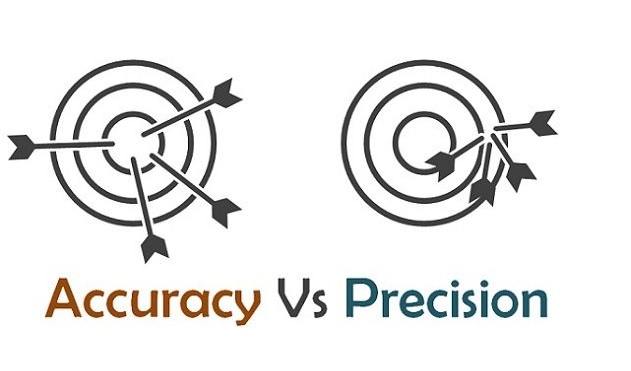
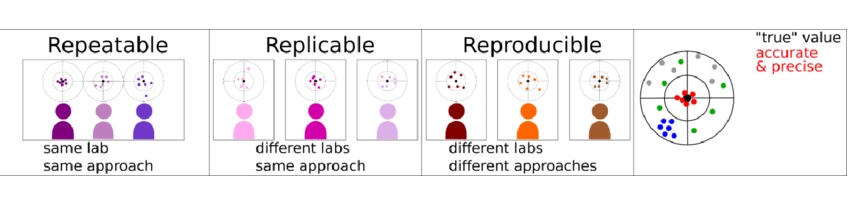
Accuracy is how close a measurement is to the true value, while precision is how close repeated measurements are to each other.

Categories
Definition/Abbreviation

Repeatability & Reproducibility

Repeatability & Reproducibility

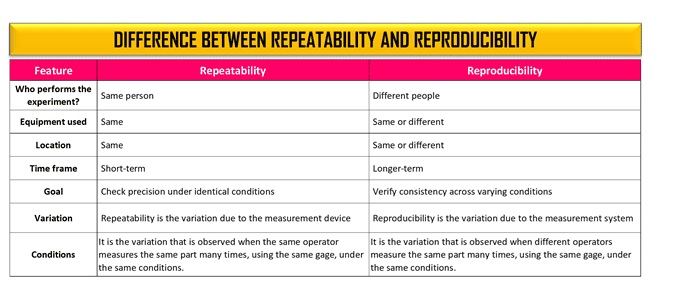
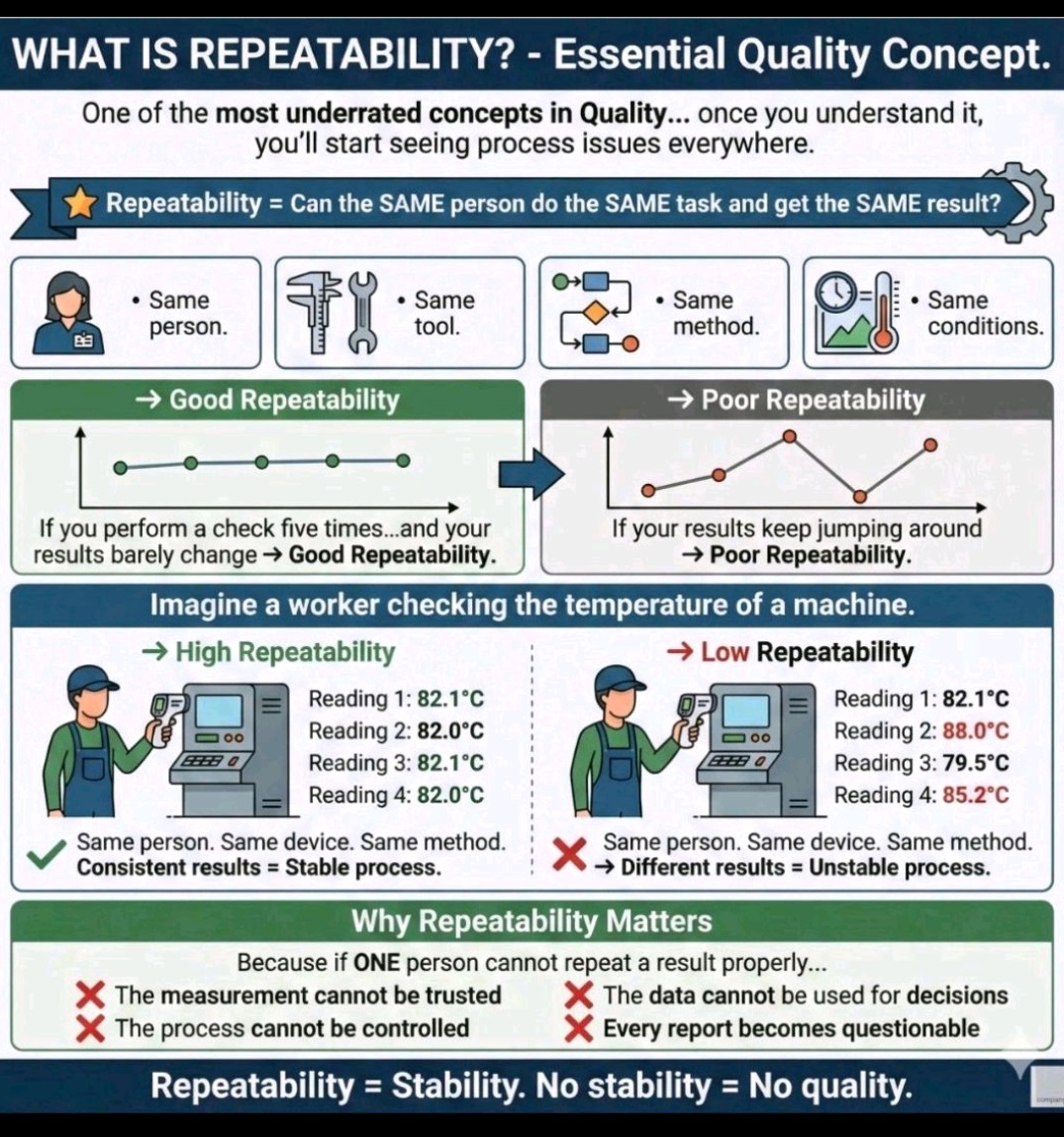
Repeatability is getting consistent results using the same method, same person, same equipment, same conditions, measuring short-term variation; while reproducibility is getting consistent results when different people use different equipment or conditions, checking long-term reliability and robustness across environments.

Categories
Definition/Abbreviation

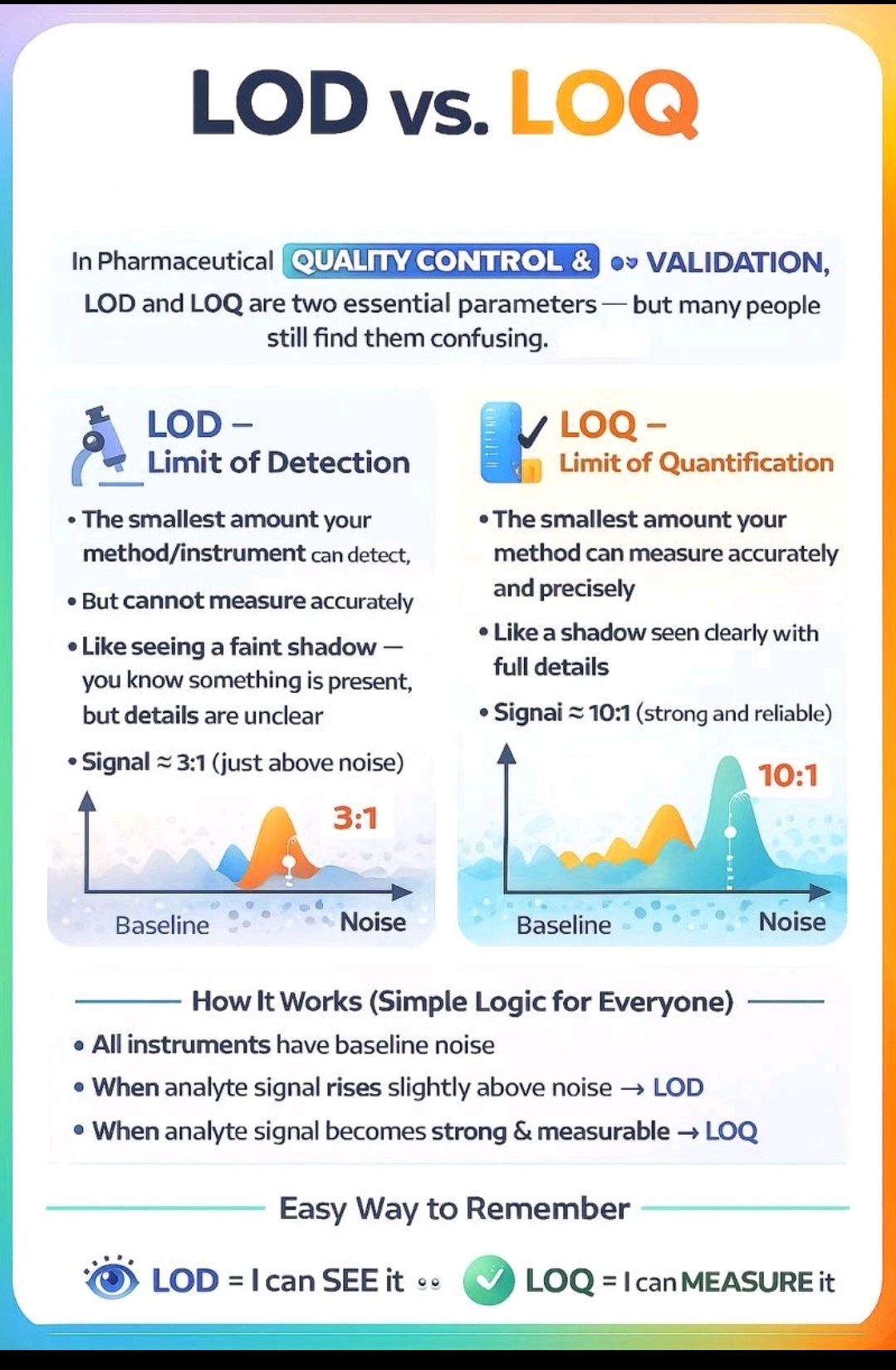
LOD vs LOQ

LOD vs LOQ

Method Validation, Limit of Detection, Limit of Quantification, Signal to Noise ratio.

error: Content is protected !!